2026-08-26 · Derek Malone
How to Spot Roof Leaks After Austin Thunderstorms
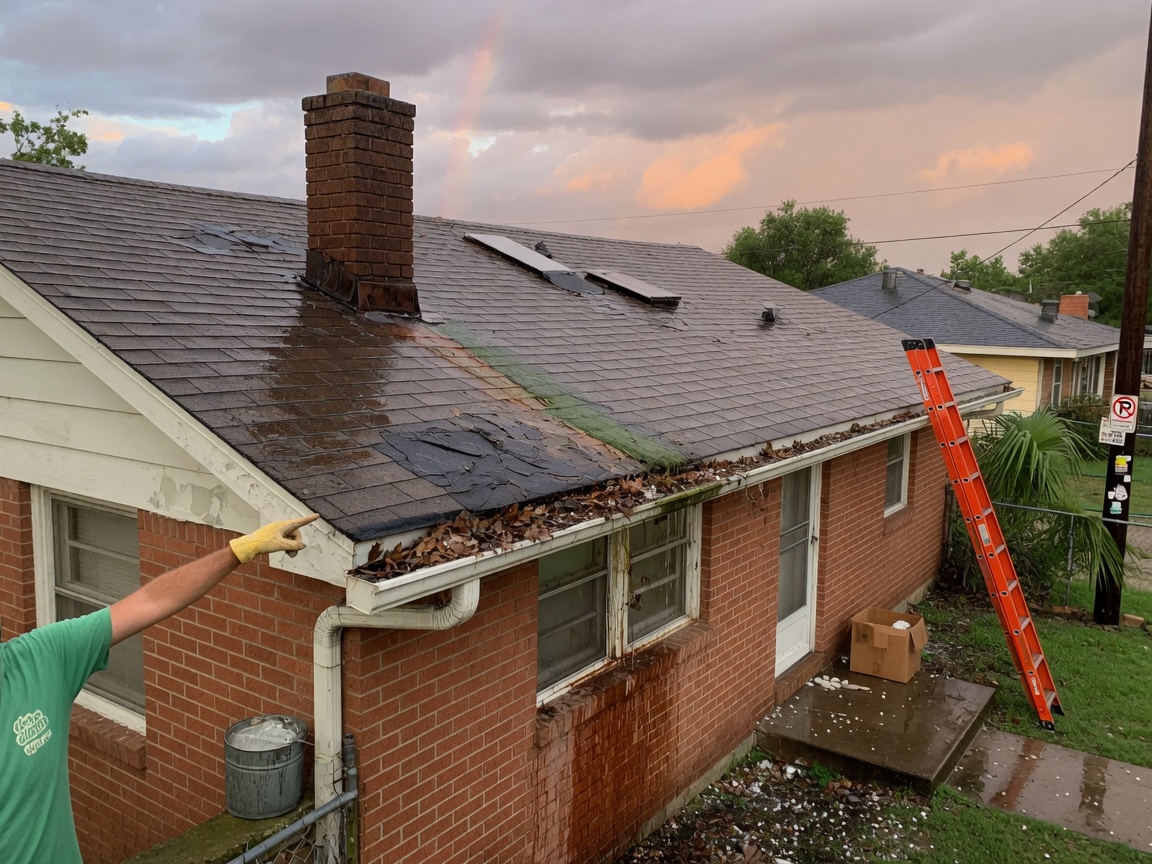
After Austin thunderstorms, begin checking your attic and interior ceilings within 24 hours for water stains or damp insulation, as the combination of high winds and sudden downpours often forces water through aged shingles on homes built before 1990 in East Austin and Clarksville.
Inspect the Attic for Hidden Moisture
Austin's humid summers cause repeated expansion and contraction that loosens flashing around chimneys and vents, allowing rainwater to enter during the next storm. Walk through the attic with a flashlight and look for dark streaks on rafters or wet spots on insulation above rooms in Hyde Park and Barton Hills. Pay attention to areas near the Texas State Capitol where many historic homes have complex rooflines that trap debris. Note any musty smell that develops within two days, which signals trapped moisture from Lady Bird Lake humidity. Measure the size of any discolored patches in inches so you can track whether they grow after the next rainfall. Homeowners in Zilker often find leaks first near skylights because the steep pitches common on those slopes shed water fast but funnel it toward seams. Document everything with photos before the stains dry out.
Examine Exterior Flashing and Gutters
Thunderstorms in Travis County frequently drop two to four inches of rain in under an hour, overwhelming gutters clogged with live oak leaves. Walk around the perimeter and check where downspouts empty near the foundation in Mueller and Westlake. Look for rust streaks below step flashing on the south-facing slopes that receive the strongest sun. In Clarksville, many 1920s homes have original copper flashing that develops pinholes after decades of mild winters followed by intense spring storms. Use binoculars to inspect the ridge line near the University of Texas Tower for lifted shingles. Clear gutters completely and run water from a hose to see whether it flows freely or backs up under the roof edge. Note any gaps wider than a quarter inch where metal meets masonry, as these allow wind-driven rain to enter.
Watch for Interior Signs in Specific Neighborhoods
Ceiling stains often appear first in upstairs bathrooms of two-story homes in South Congress because plumbing vents create natural weak points. In Downtown and Travis Heights, flat roof sections over additions tend to pond water when debris blocks scuppers during heavy rain. Check around recessed lights and HVAC returns in East Austin bungalows, where the combination of high humidity and older ductwork can mask slow leaks until drywall softens. Homeowners near Zilker Park should also inspect the area above stairwells, as the open two-story spaces make water travel farther before showing on ceilings. Track any new cracks in drywall corners that align with roof valleys, since soil movement from Barton Springs Pool area clay can shift foundations slightly each season.
When stains appear or you notice recurring damp spots, schedule a targeted assessment through roof repair rather than waiting for the next storm. Owners in older sections of Hyde Park frequently discover that replacing only the damaged section extends roof life by several years before full roof replacement becomes necessary. Documenting the exact location and size of each issue helps crews focus on the real entry points instead of guessing.